Hospitality Furniture Installation: Plan Ahead for Success
Installing custom furniture in historic buildings, boutique hotels, and renovated properties often presents unique challenges. Narrow elevators, limited access points, irregular layouts, and restricted delivery routes can turn installation day into a stressful experience if they are not considered early in the design and manufacturing process.
The best way to avoid installation surprises is to plan for the site conditions before furniture production begins. A successful installation starts with understanding not only the furniture dimensions, but also the path the furniture must take to reach its final location.
Measure the Entire Delivery Path
When reviewing a project, it is important to look beyond the room where the furniture will be installed. The entire route from the loading dock to the final placement should be evaluated.
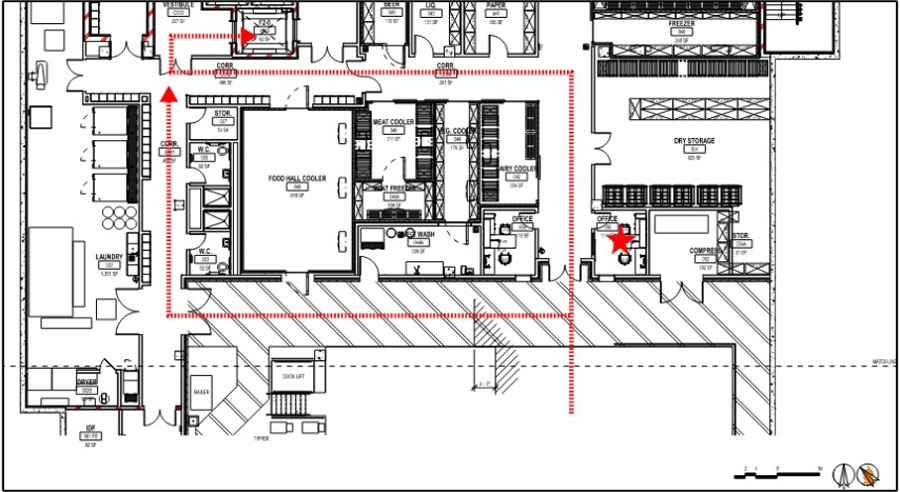
Important measurements to confirm include:
- Loading dock and receiving access: Verify truck access, dock dimensions, door clearances, and any restrictions on delivery hours or equipment.
- Building entrances and doorways: Measure all doors, including door frame widths, heights, and any obstructions such as closers or hardware.
- Elevators: Confirm elevator door openings, interior dimensions, weight capacity, and whether furniture can be maneuvered inside.
- Hallways and corridors: Consider both width and turning radius, especially when moving large casegoods, banquettes, or upholstered pieces.
- Stairways and alternate routes: Identify whether stairs, ramps, or other access points will be required.
- Final installation location: Confirm that furniture can be positioned as designed once it arrives in the space.
A piece that fits perfectly in a rendering may still be impossible to deliver if the building access has not been considered.
Design Furniture With Installation in Mind
Partnering with a custom hospitality furniture manufacturer offers an advantage because furniture can be engineered around real-world site limitations. Early communication between the design team, manufacturer, and installation team allows potential issues to be addressed before fabrication begins.
Solutions may include:
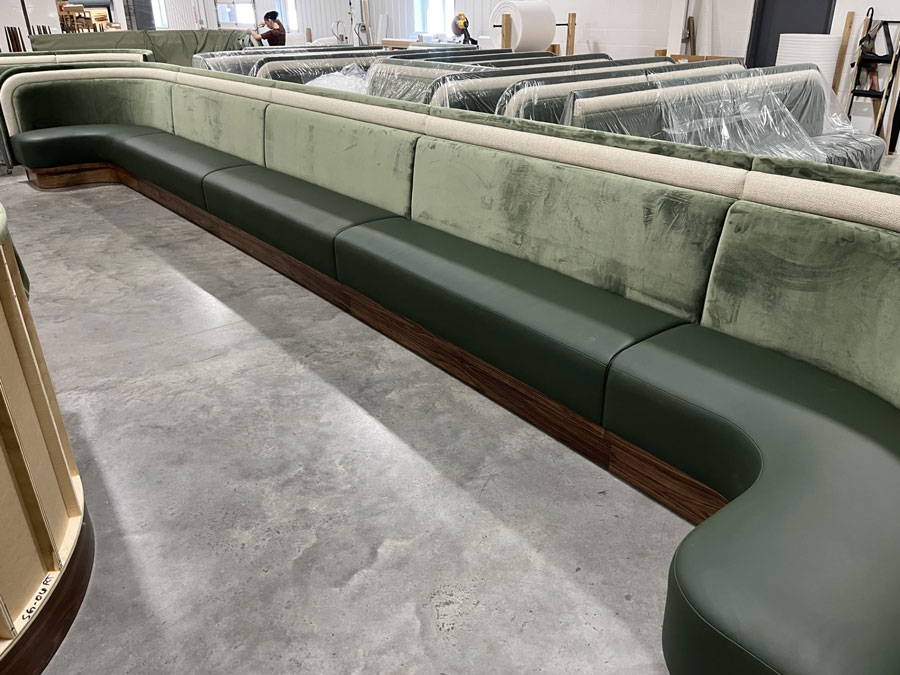
- Designing oversized furniture in modular sections for easier transport
- Creating removable components that simplify installation
- Adjusting dimensions without compromising the design intent
- Planning assembly methods that accommodate restricted access
- Coordinating field conditions with shop drawings before production
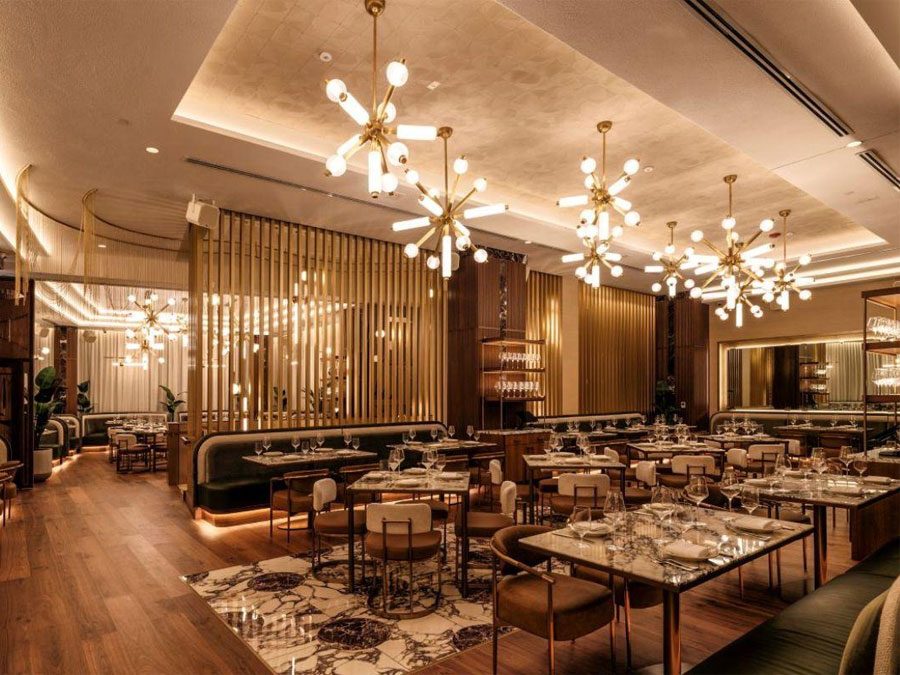
For example, a large upholstered banquette may look like a single piece in a rendering, but it may be designed as multiple sections that connect seamlessly on site. This approach allows the finished installation to maintain the intended appearance while making transportation and installation practical.
Historic Buildings Require Additional Planning
Historic properties often provide some of the most memorable hospitality spaces, but they also come with unique constraints. Older buildings may have smaller elevators, uneven walls, limited loading access, and architectural details that cannot be altered.
Working within these limitations requires collaboration and flexibility. Reviewing site conditions early allows manufacturers to develop solutions that respect the building while still delivering furniture that meets the design vision.
Communicate Site Conditions Early
One of the most effective ways to prevent installation issues is to involve the furniture manufacturer early in the process. Providing architectural drawings, photographs, site measurements, and access limitations allows the engineering team to identify potential challenges before they become costly problems.
At Contraxx, we work closely with designers, purchasing teams, and project managers to understand the realities of each installation environment. Careful planning, detailed communication, and thoughtful engineering help ensure that custom furniture arrives ready to install—without unexpected delays or last-minute modifications.
Successful installations begin long before delivery day. By considering access, site conditions, and furniture construction together, even the most challenging spaces can be furnished with confidence.