When to Request a Furniture Prototype for Hospitality Projects
A prototype can be one of the most valuable tools in a custom furniture project—but it is not always necessary. The decision to build a prototype should be based on the level of risk, complexity, and importance of the piece rather than simply the desire to see a finished product before production begins.
For hospitality projects, where furniture must balance aesthetics, comfort, durability, and functionality, a prototype provides an opportunity to validate design intent before committing to a full production run.
When a Prototype Adds Value
A prototype is most beneficial when a project includes elements that are difficult to fully evaluate through drawings, samples, or renderings alone. Some situations where prototyping is strongly recommended include:
Unique Construction Methods
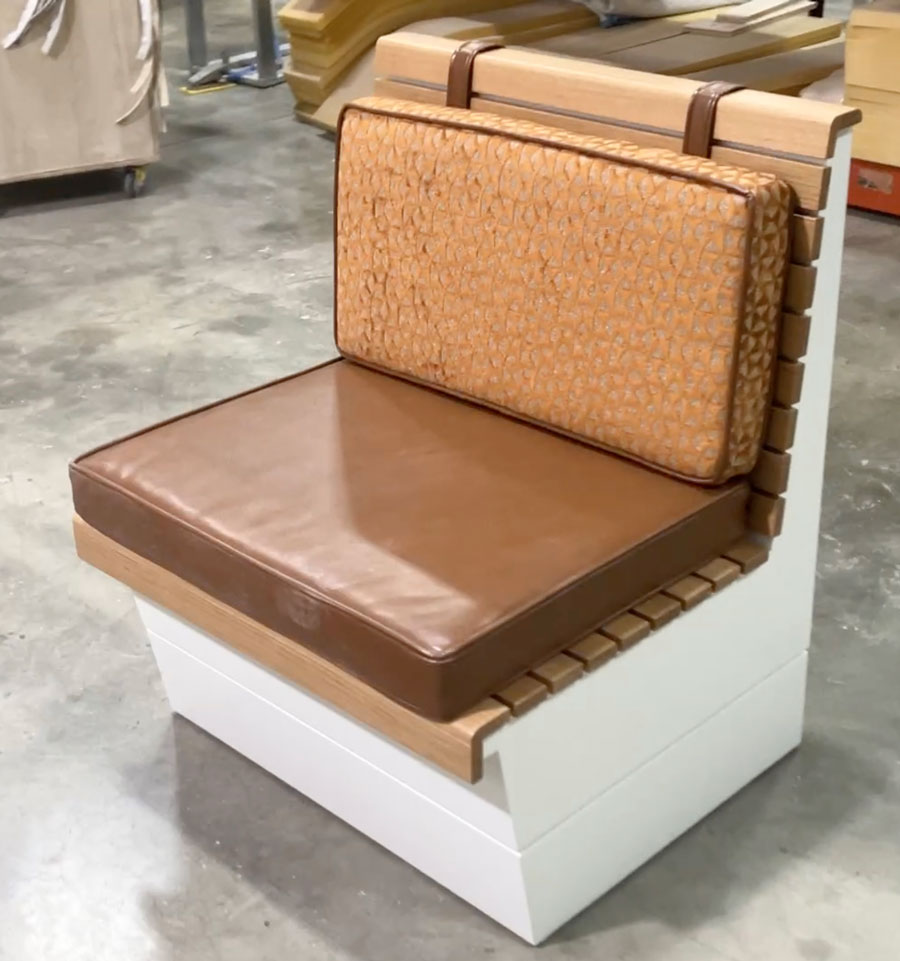
Custom furniture designs often require new approaches to fabrication. If a piece includes unusual joinery, integrated technology, complex upholstery details, concealed hardware, or challenging structural requirements, a prototype allows the manufacturer and design team to confirm that the concept can be successfully produced.
Unfamiliar Materials or Finishes
New materials, specialty finishes, or combinations of materials may perform differently than expected. A prototype can help evaluate how materials interact, confirm durability, and ensure the final product achieves the intended appearance.
High-Visibility Guest-Facing Elements
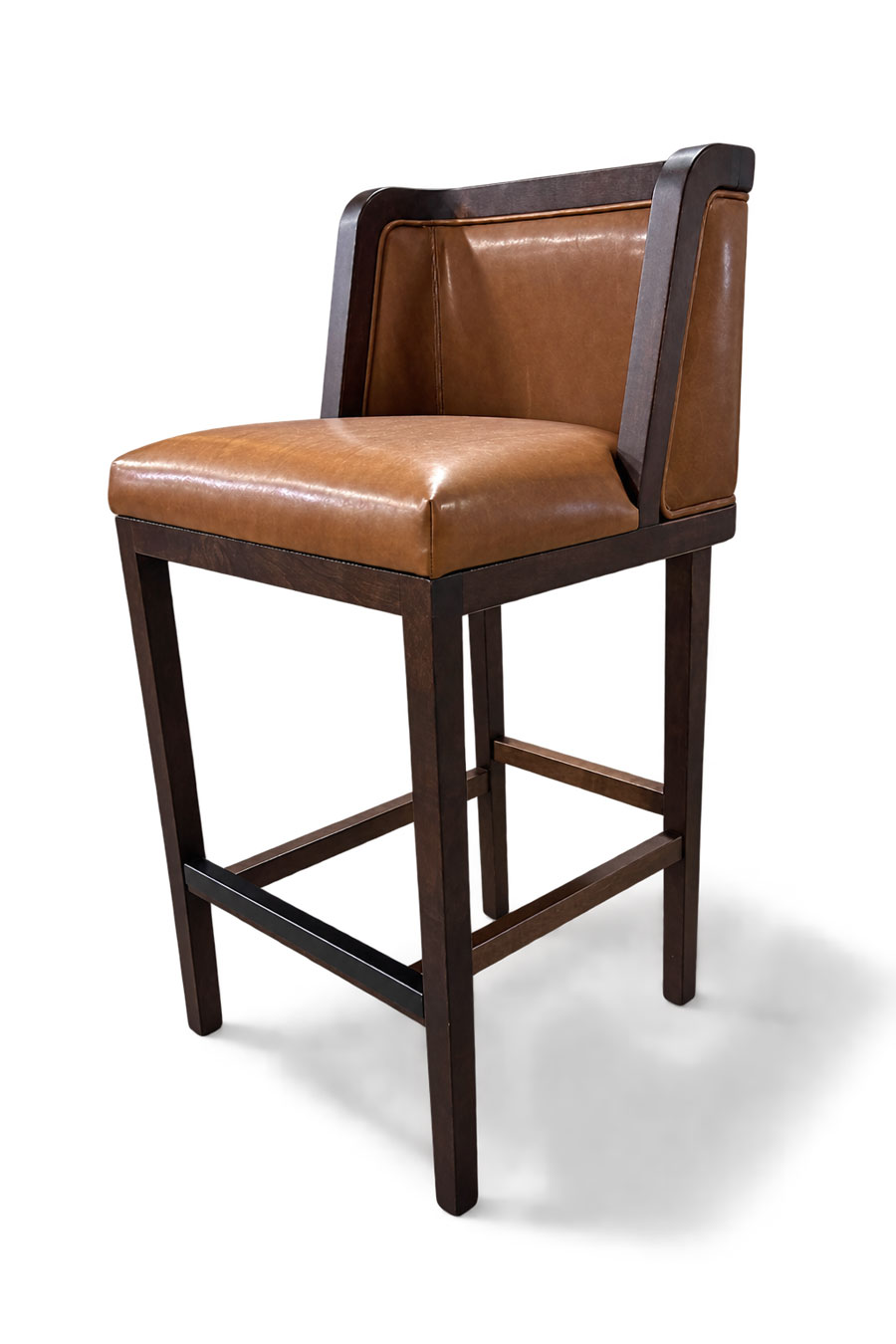
Furniture that becomes a signature feature of a space—such as a lobby lounge chair, custom banquette, host stand, bar seating, or unique architectural millwork piece—often deserves additional review. These pieces have a major impact on the guest experience and the overall design vision.
Ergonomic or Comfort-Critical Designs
A rendering can communicate appearance, but it cannot always communicate comfort. Prototypes are especially valuable for seating where dimensions, angles, cushioning, and proportions directly affect the user experience. Testing a physical sample can identify adjustments before production begins.
When a Prototype May Not Be Necessary
Not every custom project requires a physical prototype. For repeat designs, straightforward construction, or projects where the design has already been successfully manufactured, detailed documentation may provide enough confidence.
A well-developed engineering drawing package, finish samples, material approvals, and clear communication between the design team and manufacturer can often eliminate the need for a prototype while keeping the project on schedule and budget.
A Prototype Is an Investment in Certainty
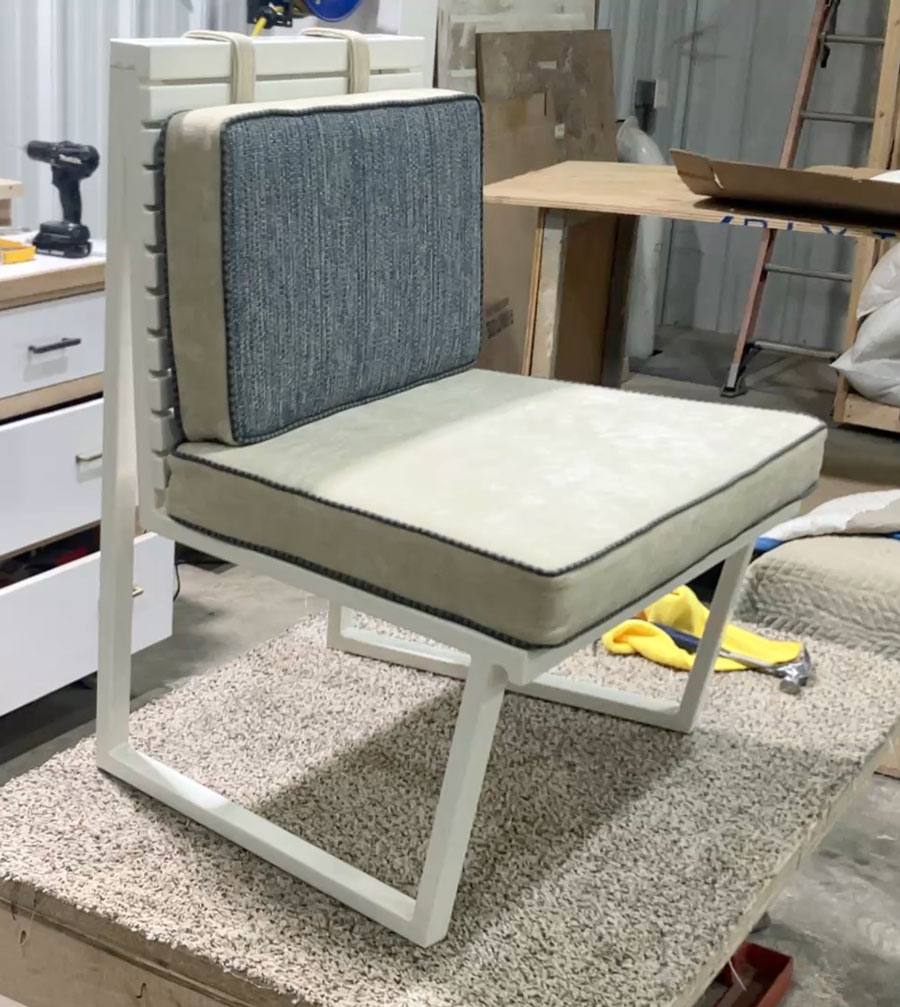
The purpose of a prototype is not simply to create a sample—it is to reduce risk. A prototype allows the team to review scale, comfort, craftsmanship, functionality, and appearance before moving into full production.
The cost and time required to build a prototype should be weighed against the potential cost of making changes after production has started. For a high-quantity order or a highly visible custom piece, a prototype can prevent costly revisions and provide confidence that the final product will meet expectations.
Making the Right Decision Early
The best time to discuss prototyping is during the early design and engineering stages of a project. A manufacturer can help evaluate whether a prototype will provide meaningful value based on the complexity of the design, production quantity, schedule, and project goals.
At Contraxx, we view prototypes as a tool for collaboration—helping designers, owners, and manufacturers align expectations and ensure that the finished product reflects the original vision.